

Wageningen University Opens Three Permanent Outdoor Classrooms on Campus
Wageningen, Tuesday, 24 March 2026.
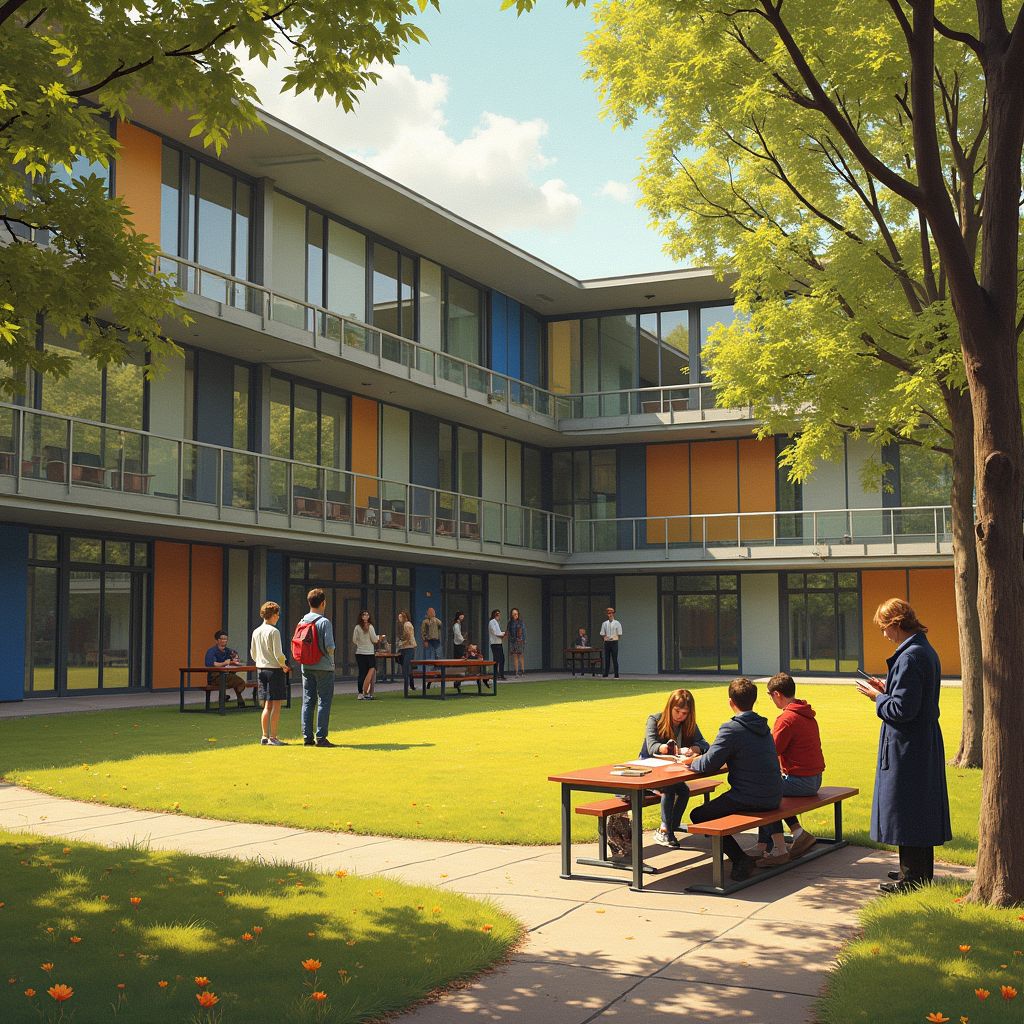
Wageningen University will officially inaugurate three outdoor classrooms on April 7, 2026, marking a significant shift toward nature-based education in higher learning. These permanent outdoor learning spaces can be booked through the university’s regular scheduling system, making outdoor education as accessible as traditional indoor classes. The initiative represents years of research proving the value of nature-inclusive education, with studies showing outdoor learning reduces stress and stimulates curiosity among students.
Strategic Partnership Drives Innovation in Nature-Based Learning
The outdoor education marathon represents a collaboration between multiple stakeholders committed to advancing nature-inclusive education [1]. Wageningen University & Research has partnered with WUR Living Lab Natuur-inclusief onderwijs, Facilitair Bedrijf WUR, eNaBlS, stichting NatuurCollege, and ReGeNL to create this comprehensive outdoor learning initiative [1]. The formal opening ceremony will take place at 12:30 on April 7, 2026, with Dick de Ridder, Dean of Education at Wageningen University, presiding over the inauguration of the three outdoor classroom locations [1][2]. This marks the culmination of what organizers describe as “many years in which the value of nature-inclusive education has been proven” [2].
Comprehensive Daily Program Showcases Diverse Educational Applications
The April 7 outdoor education marathon features an extensive schedule demonstrating various applications of nature-based learning methodologies [2]. The program begins at 09:00 with Carlos Serrano Fajardo conducting a biotechnology dilemma game, followed by Johannes Ramsijn’s outdoor mathematics lesson from 11:00-12:00 [2]. Post-inauguration sessions include bird behavior observation by Koen Arts and nature-inclusive education demonstrations by Lian Kasper and Louise van der Stok from 14:00-15:00 [2]. The day concludes with evening activities including soup and campfire sessions from 18:30-20:30, and storytelling about rewilding and wolves by Hugh Jansman and Judith Slagt from 19:30-20:30 [2]. Participation in the event is free, allowing attendees to come and go as they wish while experiencing different outdoor learning approaches [2].
Evidence-Based Approach Supports Educational Innovation
Louise van der Stok from Education and Learning Sciences emphasizes the tangible benefits of outdoor education despite Netherlands’ variable weather conditions [1]. According to van der Stok, “outdoor teaching can stimulate curiosity, reduce stress and ensure more open and reflective conversations between students and teachers” [1]. The university’s commitment to this approach is evidenced by faculty training through the “Onboarding in Nature-Inclusive Education” course, developed collaboratively by the WUR Teaching and Learning Centre and stichting NatuurCollege [1]. Safety considerations have been prioritized throughout the planning process, with three outdoor learning locations chosen in collaboration with Facilitair Bedrijf and campus ecologists [1].
Long-Term Infrastructure Investment Positions WUR as Sustainability Leader
Following the April 7 inauguration, the three outdoor locations will become permanently available for academic scheduling through the WUR roosterteam via the TimeEdit planning system [1][2]. This integration into standard university infrastructure represents a significant institutional commitment to nature-based education [1]. Paul Roncken, a key advocate for the initiative, notes that campus managers have been “slowly convinced that official outdoor spaces that can be scheduled quite normally are an excellent addition to the sustainable principles of the world’s most sustainable university” [3]. The development establishes Wageningen University & Research as facilitating “an extensive infrastructure for outdoor learning in the Netherlands,” positioning the institution as a pioneer in scaling nature-inclusive education from small initiatives to comprehensive institutional integration [1][3].