Laatste nieuws in green
Drenthe Invests €120,000 to Accelerate Regional Circular Economy Projects
Assen, Monday, 20 April 2026.
Province commits significant funding to support 40-50 businesses in developing concrete circular solutions across construction, manufacturing, and textile sectors through partnership with regional association.
Scientists Create Dirt-Powered Battery That Outlasts Traditional Systems by 120%
Unknown, Monday, 20 April 2026.
Northwestern University researchers have developed a groundbreaking soil microbial fuel cell that harnesses naturally occurring microbes to generate electricity from ordinary dirt. The paperback-sized device produces 68 times more power than needed for environmental sensors and demonstrates remarkable durability, lasting 120% longer than comparable technologies. The system works by capturing electrons released when soil microbes break down organic material, using a unique perpendicular electrode design. Tested across diverse conditions from dry soil to fully submerged environments, this innovation could revolutionize remote monitoring by eliminating battery replacements and reducing electronic waste, with researchers now developing fully biodegradable versions.
Netherlands Activates Energy Crisis Plan for First Time Since 2022 Ukraine War
The Hague, Sunday, 19 April 2026.
The Dutch government activated phase one of its national oil crisis plan on Monday, marking the first use of emergency protocols designed during Russia’s 2022 invasion of Ukraine. The activation comes amid Middle East tensions affecting oil tanker passage through the Strait of Hormuz since late February 2026, when the US and Israel began military action against Iran. While Europe faces sharp price increases for oil products, physical shortages haven’t occurred yet.
Austrian Company Develops 400-Horsepower Hydrogen Engine with Water Injection Technology
Netherlands, Sunday, 19 April 2026.
AVL Racetech has created a revolutionary hydrogen combustion engine that delivers 400 horsepower while injecting heated water into cylinders for optimal performance. This breakthrough technology combines hydrogen fuel with precise water injection to prevent uncontrolled combustion, enabling higher compression ratios and cleaner emissions than traditional engines. The engine reaches 6,500 rpm and represents a potential alternative to electric vehicles in high-performance applications.
Dutch Scientist Receives €50,000 Grant to Study How Algae Accelerate Polar Ice Melting
Wageningen, Sunday, 19 April 2026.
Wageningen University researcher Uddalok Sen has secured funding to investigate a dangerous climate feedback loop where microscopic algae create dark patches on melting ice, absorbing more heat and accelerating the melting process. Using revolutionary laboratory techniques with 1mm ice cubes and laser technology, Sen’s team will study how individual algae cells produce a glue-like substance that binds them into visible colonies. This self-reinforcing mechanism could be critical to understanding rapid polar ice loss and improving climate predictions.
Scientists Replace Toxic Chemicals with Electricity to Make Medicine Components from Plant Waste
Wageningen, Thursday, 16 April 2026.
Wageningen University researchers have revolutionized pharmaceutical manufacturing by creating furanone—a key ingredient in medicines and plastics—directly from agricultural waste using only electricity. The breakthrough eliminates dangerous bromine compounds traditionally required in production processes. Their innovative electrochemical method transforms plant residues into valuable chemical building blocks while consuming less than 0.5% of the energy needed to boil water in a kettle, opening new possibilities for local, sustainable pharmaceutical production in Europe.
Dutch Researchers Create Tool to Help Companies Navigate Complex Packaging Sustainability Decisions
Wageningen, Thursday, 16 April 2026.
Wageningen University researchers have developed a comprehensive decision-making tool that challenges the simplistic view that all packaging is environmentally harmful. The tool reveals surprising trade-offs: while glass milk bottles generate higher CO₂ emissions than cartons, plastic wrap on cucumbers actually prevents more environmental damage through reduced food waste than the packaging itself creates. The research emphasizes that sustainable packaging depends entirely on context, with no universal solutions existing across industries.
Major European Bank Partnership Delivers €800 Million Climate Fund for Small Businesses
Amsterdam, Thursday, 16 April 2026.
ING and the European Investment Bank have created an unprecedented €800 million financing facility specifically targeting small and medium enterprises across the Netherlands and Belgium for sustainability investments. The initiative offers reduced interest rates of 0.25% to incentivize green technology adoption and energy efficiency improvements. This represents the ninth collaboration between these institutions since 2009, building on their previous success of financing over 4,100 businesses with €2.85 billion. The timing aligns with Europe’s strategic push for energy independence amid ongoing geopolitical tensions.
Netherlands Must Transform Infrastructure Now to Survive Extreme Climate Change
Wageningen, Wednesday, 15 April 2026.
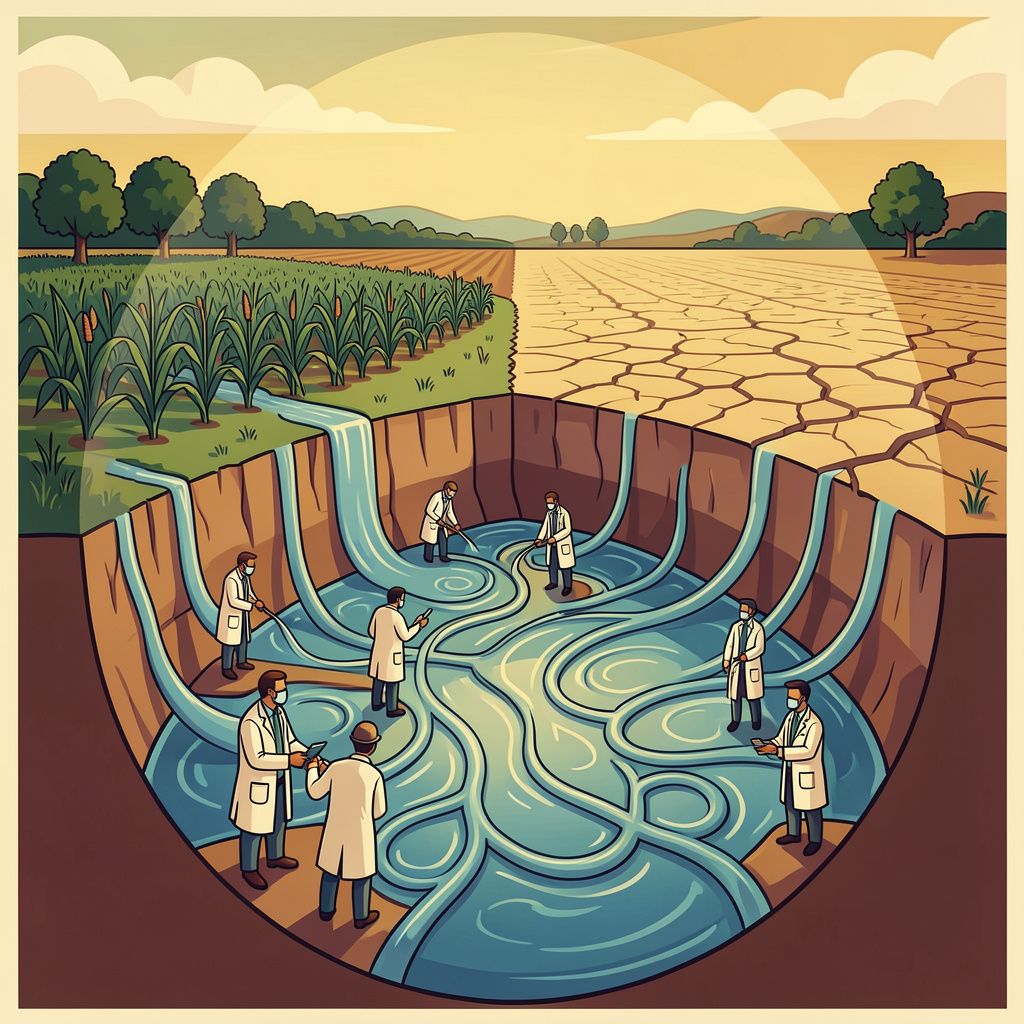
Wageningen University research reveals the Netherlands faces hundreds of millions in agricultural damage without immediate action. Summer droughts will occur every 7-12 years, increasing water demand by 80 percent, while extreme rainfall exceeding 63mm poses new threats. The country requires both technical solutions and fundamental landscape transformation to handle intensifying heat, flooding, and wildfire risks affecting agriculture, nature, and daily life across all sectors.
Netherlands Launches €627 Million Program to Pay Farmers for Reducing Dairy Herds
The Hague, Wednesday, 15 April 2026.
Dutch government receives EU approval for groundbreaking subsidy scheme offering dairy farmers €1,606 annually per cow to voluntarily reduce herds by 10-20 percent over three years. The program aims to cut nitrogen emissions and could eliminate 64,000 dairy cows nationwide, representing four percent of total livestock.