

How Blueberries Counteract the Inflammatory Effects of Palm Oil
Wageningen, Tuesday, 20 October 2026.
A Wageningen University study reveals palm oil doubles gut inflammation triggers, but eating blueberries cuts this damaging response by 46 percent, offering promising dietary strategies for gut health.
Bridging Agritech and Healthtech to Fight Chronic Inflammation
This scientific breakthrough operates at the crossroads of agritech, food science, and healthtech, offering functional food developers actionable insights to combat dietary-induced chronic inflammation [1]. PhD candidate Aina Casademont Roca led the laboratory study at Wageningen University & Research (WUR), located in Wageningen, the Netherlands [1]. Using an advanced artificial gut model composed of human intestinal and immune cells, Casademont Roca examined how specific dietary fats alter gut wall permeability and trigger immune responses [1].
Understanding the Cellular Mechanism Behind Saturated Fats
The research highlights how palm oil accelerates ‘transcellular transport,’ a process where bacterial substances such as lipopolysaccharides (LPS) are actively moved across intestinal cells [1]. When these endotoxins leak into the bloodstream, immune cells react, inciting low-grade, persistent inflammation [1]. The laboratory experiments revealed that palm oil doubled the activity of a critical inflammatory pathway—representing a 100 percent increase compared to baseline conditions without added fats [1].
How Berries Mitigate Inflammatory Reactions
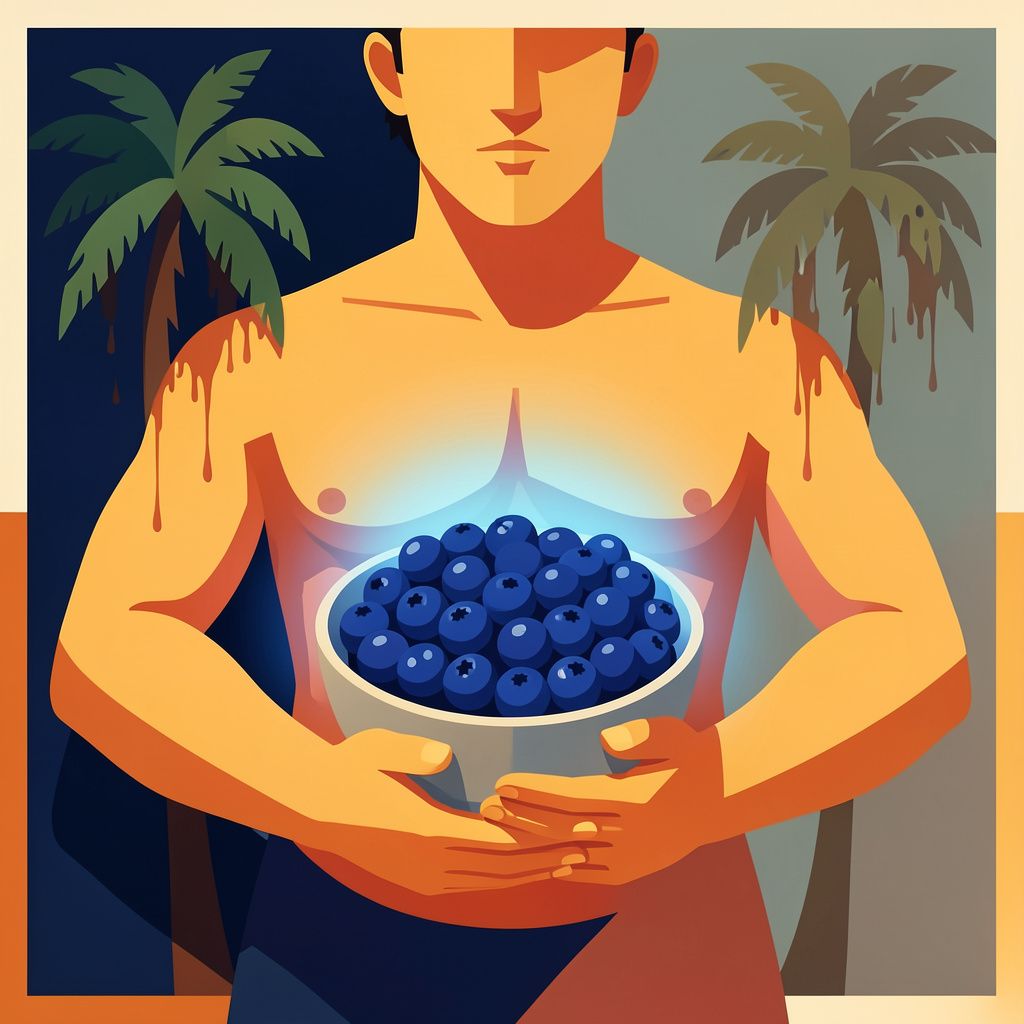
In contrast to palm oil, introducing blueberries to the artificial gut environment cut the palm oil-induced inflammatory response by 46 percent [1], leaving the active inflammation level at 54 percent of its uninhibited state. Blackberries and bananas also reduced inflammatory reactions, with blueberries performing the best overall [1]. Researchers hypothesize that high levels of dietary fibers and polyphenols in these fruits downregulate genes involved in transcellular LPS transport [1]. Comparative tests on other fats yielded varying outcomes: unsaturated fats in fish oil and peanut oil reduced inflammatory activity, whereas olive oil produced no significant effect [1].
Next Steps and Long-Term Implications for Cognitive Health
This investigation is part of the Maintaining Optimal Cognitive function In Ageing (MOCIA) program, which studies how nutrition and lifestyle support long-term brain function [1]. To validate these artificial gut findings, Casademont Roca plans to expand research into organoid models—miniature lab-grown organs—and animal studies before advancing to human clinical trials to test whether berry consumption can counter the inflammatory impact of high-fat meals in daily diets [1][3].