

DNA Breakthrough Reveals Dogs Lived with Humans 5,000 Years Earlier Than Previously Known
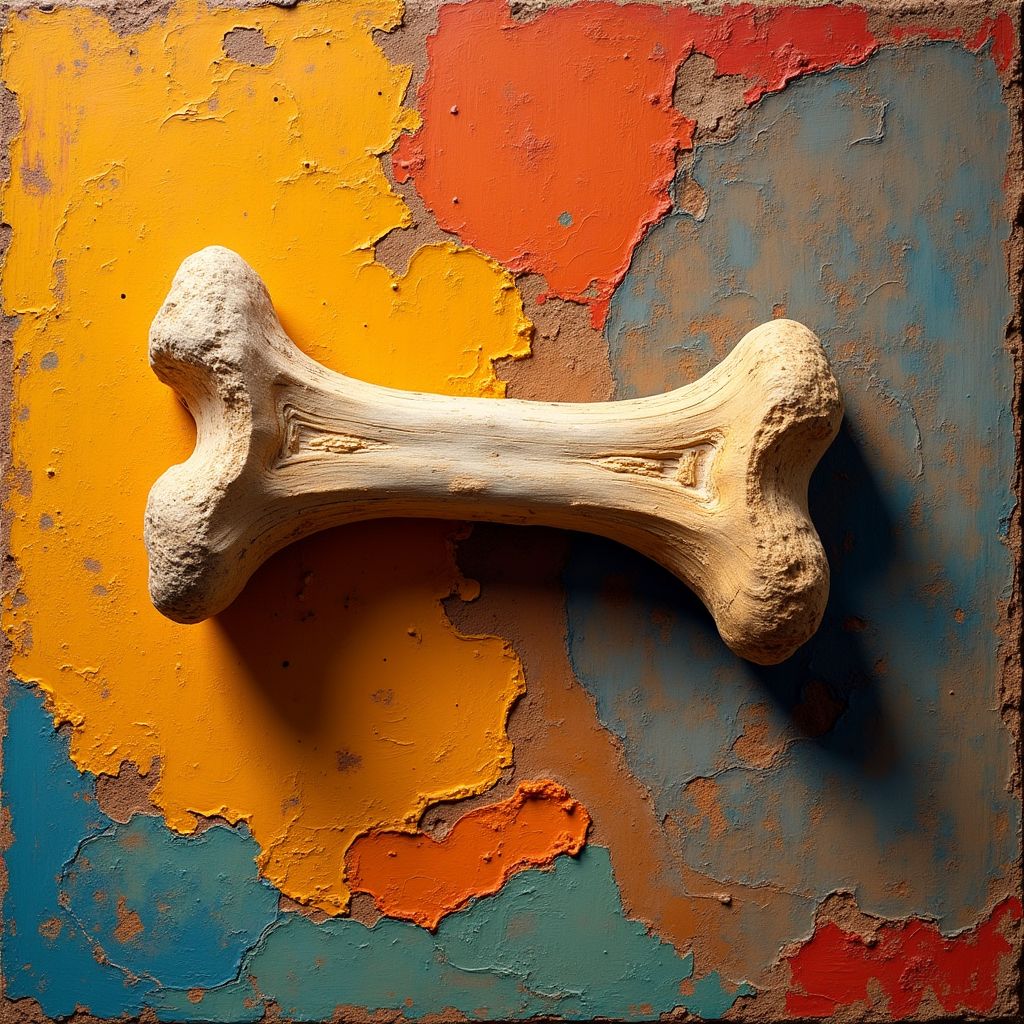
Netherlands, Sunday, 29 March 2026.
Advanced genetic analysis technology has enabled scientists to identify 15,800-year-old bone remains as belonging to domesticated dogs, pushing back the timeline of human-canine companionship by 5,000 years. This represents a significant technological leap in archaeological DNA extraction capabilities, allowing researchers to analyze much older specimens than ever before possible. The discovery fundamentally reshapes our understanding of early domestication and demonstrates how cutting-edge biotechnology continues to rewrite ancient history.
Classification and Innovation Impact
This discovery represents a breakthrough in biotechnology and archaeological research methods, specifically in the field of ancient DNA analysis. The technological advancement that enabled scientists to identify 15,800-year-old bone remains as belonging to dogs [1] falls into the category of biotechnology innovation with significant implications for archaeological and evolutionary research. The benefits of this innovation extend beyond historical curiosity, providing researchers with enhanced capabilities to extract and analyze genetic material from specimens that are thousands of years older than previously analyzable samples. This technology promises to revolutionize our understanding of early human civilization, animal domestication processes, and evolutionary timelines across multiple species.
Technical Methodology and Research Implications
While the sources indicate that scientists successfully identified bone remains from 15,800 years ago as belonging to domesticated dogs [1], the specific technical details of how this advanced DNA analysis technology works are not provided in the available documentation [alert! ‘technical methodology details not specified in sources’]. The breakthrough represents a significant leap forward in genetic analysis capabilities, allowing researchers to push back the timeline of human-dog companionship by 5,000 years compared to previous estimates [1]. This technological advancement in DNA extraction and analysis opens new possibilities for archaeological research, potentially enabling scientists to examine genetic material from even older specimens and gain deeper insights into ancient relationships between humans and animals.
Research Attribution and Geographic Context
The research breakthrough has been reported by Dutch news organizations, with coverage appearing in major Netherlands-based publications [1][2]. However, the specific company, research institution, or individual scientists responsible for this DNA analysis innovation are not identified in the available source material [alert! ‘specific researchers and institutions not named in sources’]. The geographic location of the research team and the institutional affiliation of the scientists who developed this advanced DNA technology remain unspecified in the current documentation. This information gap limits the ability to provide precise attribution for this significant scientific achievement, though the discovery’s impact on archaeological and genetic research methodologies is clearly substantial.
Timeline and Historical Significance
The discovery, reported in March 2026, fundamentally alters the established timeline of human-canine relationships [1]. Scientists have now proven that dogs lived alongside humans 15,800 years ago, which extends the known period of domestication by approximately 5,000 years beyond previous estimates [1]. This revelation not only reshapes our understanding of early human civilization but also demonstrates the rapid advancement of biotechnology in archaeological applications. The ability to extract and analyze DNA from specimens of this age represents a quantum leap in genetic analysis capabilities, suggesting that even older discoveries may be possible as this technology continues to develop and refine.