

Laatste nieuws in data

Dutch Software CEO Warns of Critical Need for National Digital Independence
The Hague, Tuesday, 7 April 2026.
AFAS CEO Bas van der Veldt declares digital sovereignty no longer optional but essential for Netherlands’ security and economic independence. Growing cybersecurity threats and geopolitical tensions drive urgent calls for concrete strategies reducing foreign technology dependence while building domestic capabilities.
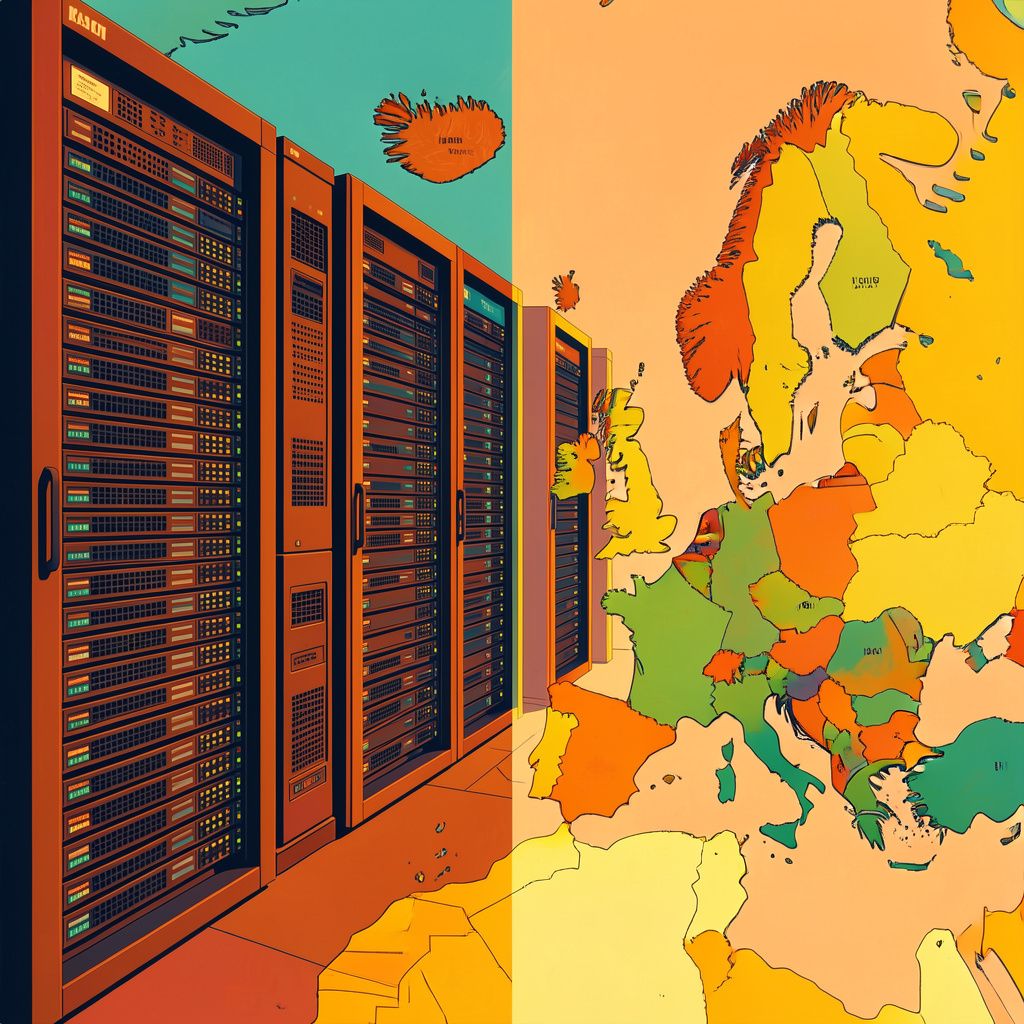
Netherlands Becomes Europe's Top Virtual Server Hosting Destination
Amsterdam, Tuesday, 7 April 2026.
The Netherlands has secured its position as Europe’s premier virtual private server hosting hub, leveraging its strategic location between Western, Central, and Northern Europe for optimal connectivity. With the Amsterdam Internet Exchange as one of the world’s largest internet hubs, Dutch data centers offer reduced latency across the continent while maintaining GDPR compliance and competitive pricing starting from €2 monthly.

Europe's €500 Billion Data Economy Struggles Under Fragmented Privacy Rules
Amsterdam, Monday, 6 April 2026.
While artificial intelligence dominates headlines, Europe’s massive data economy—worth €500 billion—faces serious challenges from inconsistent GDPR enforcement across member states. The fragmented regulatory landscape particularly impacts innovation hubs like Amsterdam and Eindhoven, where startups struggle with varying enforcement standards. Despite ambitious plans like the Digital Omnibus initiative aimed at streamlining data governance, meaningful reform has stalled, with the EU now retreating from even modest improvements. This regulatory uncertainty threatens to drive investment and talent to markets with clearer frameworks, potentially undermining Europe’s position as a global leader in data and AI innovation.
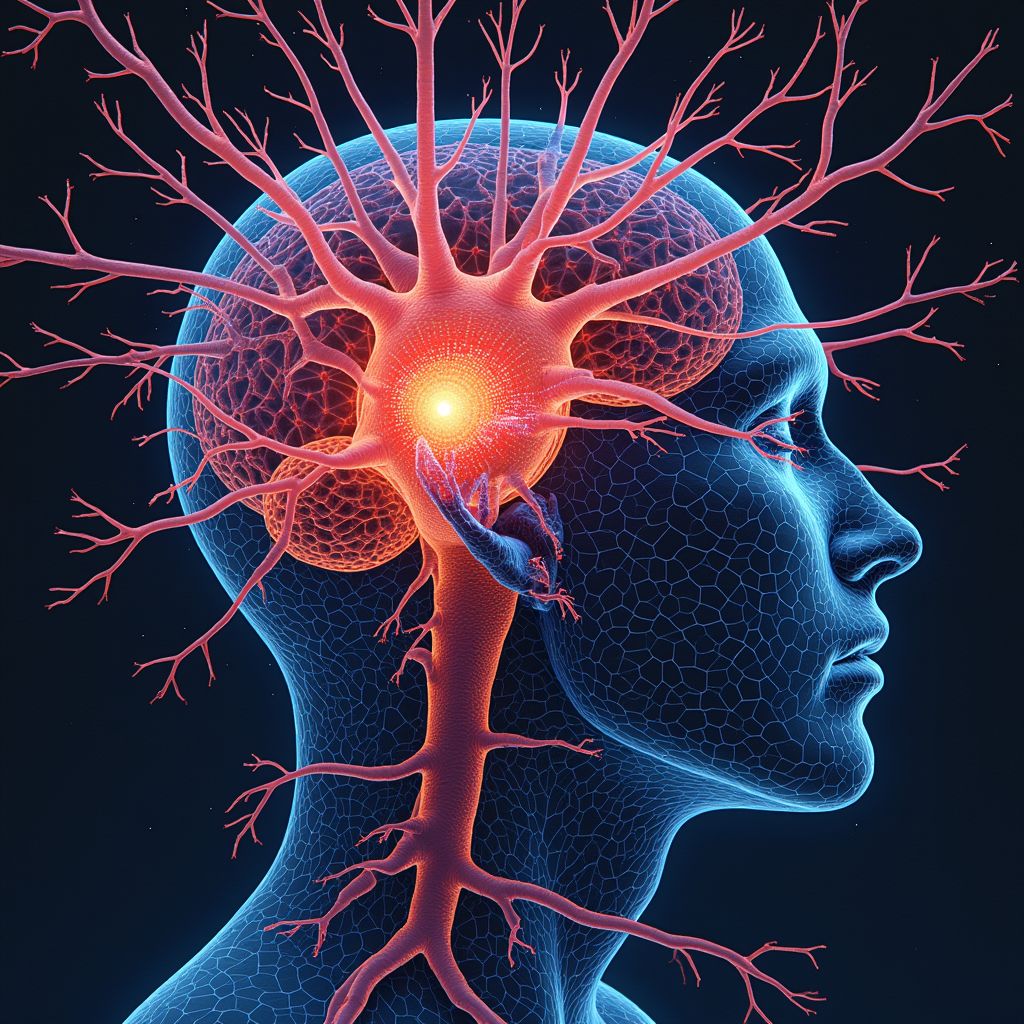
Human Brain Cells Now Power Data Centers in Revolutionary Computing Breakthrough
Europe, Saturday, 4 April 2026.
Australian startup Cortical Labs has achieved a remarkable milestone by deploying 200,000 living human neurons in operational data centers across Melbourne and Singapore. Their CL1 system transforms months of specialized laboratory work into mere hours, combining lab-grown brain cells with silicon chips to create biological processors that cost $35,000 per unit. These living neurons have demonstrated extraordinary capabilities, learning to play complex video games like Doom within a week while consuming dramatically less energy than traditional computers. The breakthrough represents a fundamental shift from conventional silicon-based computing to ‘wetware’ that leverages the natural processing power and adaptability of human brain cells for real-world applications.

OpenAI Becomes World's Most Valuable Startup at $852 Billion After Record-Breaking Funding Round
San Francisco, Thursday, 2 April 2026.
OpenAI has achieved an unprecedented $852 billion valuation following a massive $122 billion funding round led by Amazon, Nvidia, and SoftBank. The AI company now generates $2 billion monthly and serves 900 million weekly users through ChatGPT. This historic funding round represents Silicon Valley’s largest ever, positioning OpenAI for a potential IPO by year-end while signaling explosive investor confidence in artificial intelligence’s transformative potential across global markets.