

Laatste nieuws in green

Netherlands Launches Floating Data Centers to Cut Energy Costs by 40%
Netherlands, Monday, 30 March 2026.
The Netherlands has become the first nation to deploy commercial floating data centers on its canal networks, using surrounding water as natural cooling systems. These innovative facilities eliminate the need for energy-intensive air conditioning by circulating canal water through heat exchange systems, reducing electricity consumption by up to 40% compared to traditional land-based centers. Beyond environmental benefits, the floating platforms address critical urban space constraints in densely populated cities like Amsterdam, allowing digital infrastructure expansion without competing for valuable land resources. The breakthrough model combines offshore wind power generation with underwater data processing units, creating a fully sustainable digital ecosystem.
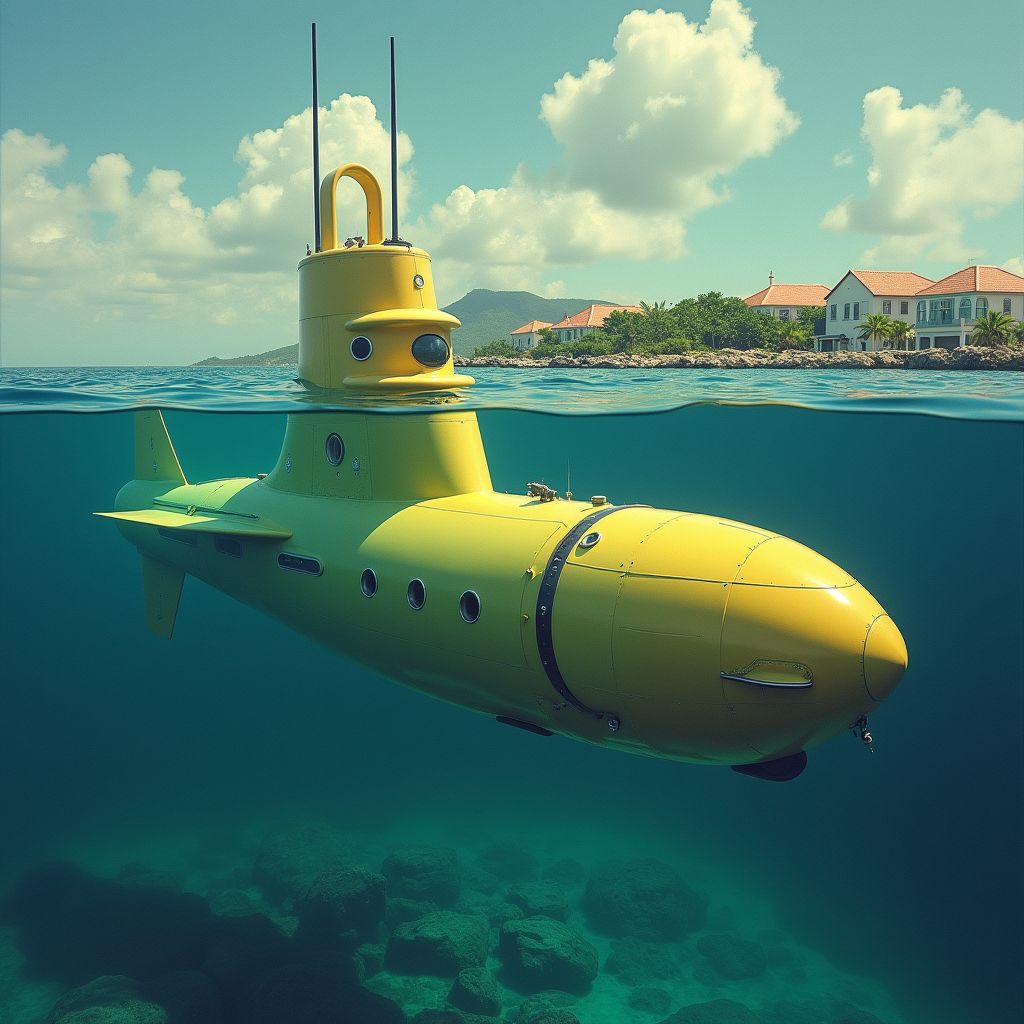
Dutch Company Delivers World's Fastest Private Submarine at $5.75 Million
Netherlands, Sunday, 29 March 2026.
U-Boat Worx has successfully completed sea trials for their revolutionary Super Sub, achieving unprecedented speeds of 10 knots underwater—nearly matching dolphin swimming speeds. The $5.75 million submersible uses aircraft-inspired hydrofoil technology to ‘fly’ through water, accommodating three passengers while diving to 300-meter depths. Unlike traditional submarines that crawl at 1-4 knots, this underwater supercar represents a quantum leap in marine engineering, featuring 96-hour emergency life support and panoramic acrylic viewing domes. The first delivery to a private owner is imminent following successful testing off Curaçao, marking a new era in luxury underwater exploration for superyacht owners and marine researchers seeking rapid deep-sea mobility.
Netherlands Allocates 150 Million Euros from Nitrogen Fund to Support Farmers and Nature Projects
The Hague, Saturday, 28 March 2026.
Dutch Agriculture Minister Jaimi van Essen announced a 150 million euro investment from the country’s 20 billion euro nitrogen reduction fund, with 60 million specifically earmarked for accelerated nature restoration and 16 million for provincial nature area maintenance. The funding comes as fewer farmers than expected are participating in voluntary farm closure programs, freeing up 250 million euros in 2026-2027. Environmental groups praise the initiative as an important step but criticize the goals as insufficient for timely nature recovery, calling for comprehensive solutions rather than partial measures.

European Forests Get 91% Accurate Real-Time Monitoring System Using Satellite Radar
Wageningen, Friday, 27 March 2026.
Wageningen University’s groundbreaking radar-based detection system can spot forest disturbances across Europe with 91% accuracy, identifying logging, fires, storms, and pest damage within just 14 days. The technology penetrates clouds using Sentinel-1 satellites, providing images every 3-6 days at 10-meter resolution. Beyond environmental protection, this system offers a powerful tool for authorities to combat illegal logging operations across the continent, revolutionizing how Europe monitors its forests under increasing climate pressure.

North Holland Awards €45,000 to 33 Grassroots Environmental Projects
North Holland, Thursday, 26 March 2026.
North Holland province selected 33 volunteer-led environmental initiatives from 98 applications, providing €45,000 in total funding through their green engagement fund. Projects range from protecting endangered plovers and hedgehogs to creating butterfly gardens and food forests across communities like Amsterdam-Noord, Castricum, and Enkhuizen, demonstrating unprecedented citizen involvement in biodiversity conservation.

Netherlands Faces €260 Billion Infrastructure Renewal Bill as Aging Roads and Bridges Reach Breaking Point
The Hague, Thursday, 26 March 2026.
The Netherlands confronts its largest maintenance challenge ever, with annual infrastructure replacement costs set to soar from €1.1 billion in 2021 to €3.7 billion by 2080. TNO’s five-step strategic framework aims to manage this massive €260 billion undertaking through 2100, as post-war infrastructure built in the 1950s and 1960s reaches its 60-80 year lifespan limit.
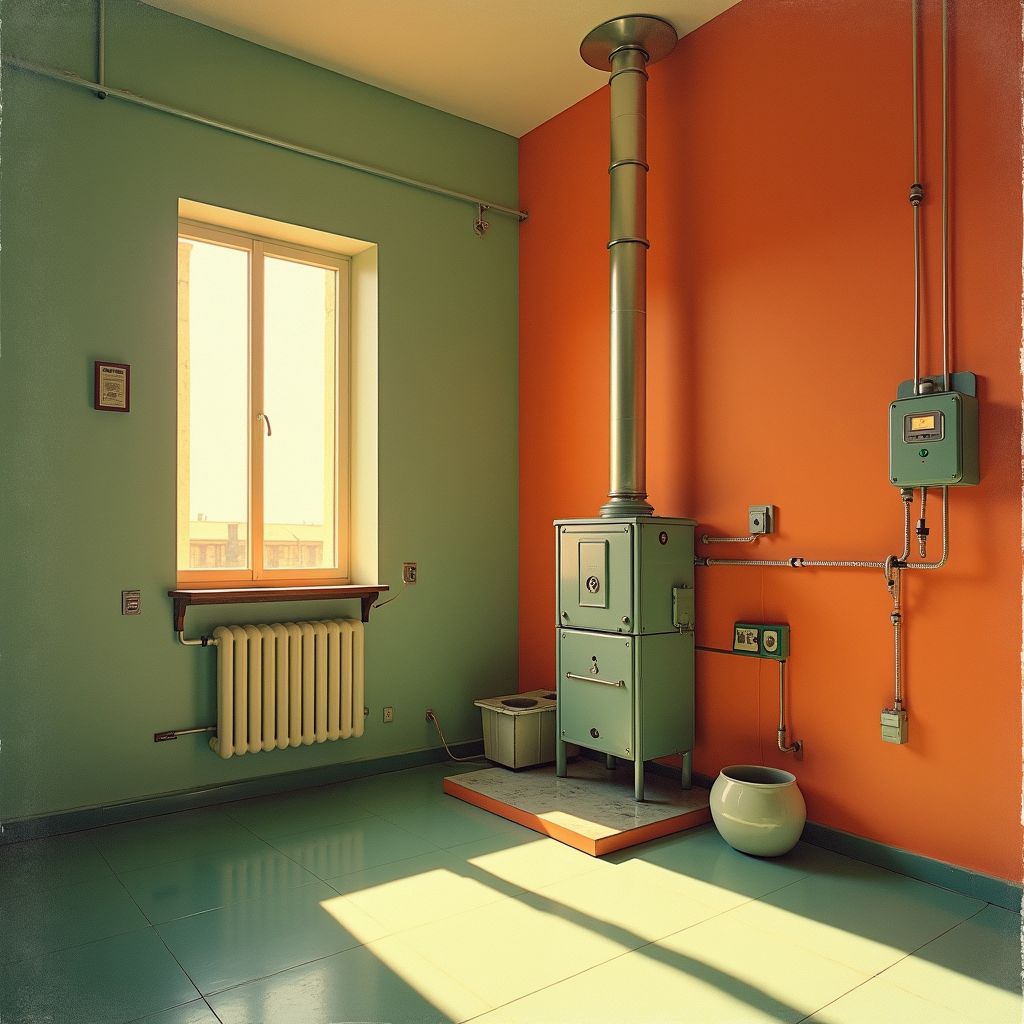
Dutch Hospital Becomes First to Eliminate Gas Dependency Using Revolutionary Heat Battery Technology
Drachten, Thursday, 26 March 2026.
Nij Smellinghe hospital will save the equivalent of 275 households’ annual gas consumption through groundbreaking PowerStove technology that stores renewable energy as heat up to 360°C for weeks.

Dutch Universities Create First Comprehensive Tool to Navigate Complex Packaging Sustainability Decisions
Wageningen, Wednesday, 25 March 2026.
Wageningen researchers have developed a groundbreaking decision-making framework that challenges the oversimplified view that all packaging is harmful. The tool reveals surprising trade-offs: glass milk bottles generate higher CO₂ emissions than cartons, while plastic wrap on cucumbers actually prevents more environmental damage through reduced food waste than it causes through pollution. The comprehensive approach evaluates three critical factors - climate impact, pollution levels, and biodiversity loss - while considering social and economic balance for businesses and consumers.

Dutch Dairy Farms Cut Emissions by 25% with Lower Protein Feed
Wageningen, Tuesday, 24 March 2026.
Wageningen University researchers demonstrate that reducing protein in dairy cow feed from 154g to 143g per kilogram significantly decreases nitrogen emissions without affecting milk production. The multi-year study of 64 cows shows urine-nitrogen excretion dropped from 185g daily to 146g daily, while methane emissions fell from 488g to 484g per day. This breakthrough offers Dutch farmers a practical solution to meet environmental regulations amid ongoing nitrogen crisis debates.