

Amsterdam Cancer Hospital Cuts MRI Scan Time by 60% Using AI Technology
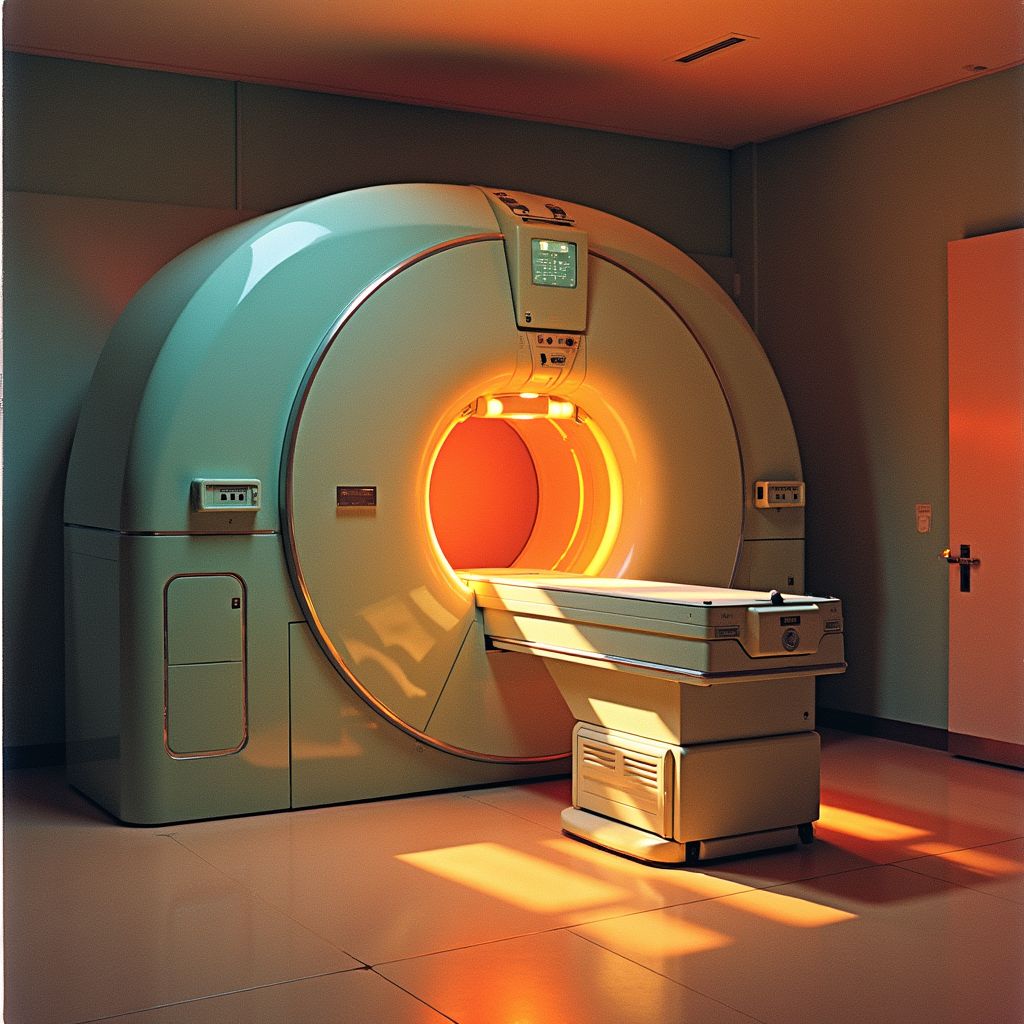
Amsterdam, Thursday, 2 April 2026.
Amsterdam’s Antoni van Leeuwenhoek hospital has revolutionized cancer imaging by implementing AI software that reduces MRI scan duration from 23 to just 9 minutes—a remarkable 60% reduction. This breakthrough technology maintains image quality while dramatically improving patient comfort and hospital efficiency, enabling 18 additional scans per week.
Healthtech Innovation Transforms Cancer Imaging
This medical breakthrough represents a significant advancement in healthtech, specifically in medical imaging technology for cancer treatment [1]. The Antoni van Leeuwenhoek hospital in Amsterdam has successfully implemented AI software that transforms the traditionally uncomfortable and time-consuming MRI scanning process into a more efficient procedure [1]. Previously, patients undergoing lower abdominal scans endured 23 minutes confined in the cramped, noisy MRI scanner, but the new AI-powered system has reduced this to just 9 minutes [1]. The improvement represents a 60.87 percent reduction in scan time, dramatically enhancing patient comfort while maintaining diagnostic accuracy.
How AI-Powered MRI Technology Works
The revolutionary AI software fundamentally changes how MRI scanners process medical information into diagnostic images [1]. According to Dr. Doenja Lambregts, a radiologist at the hospital, “The AI helps the scanner process information into images. The software calculates in a smart way what should be shown on the images. This results in faster, better photos” [1]. Importantly, the technology serves as a sophisticated tool rather than a replacement for medical expertise—the AI does not make diagnoses or analyze images independently [1]. Instead, it accelerates the image formation process while maintaining the essential human oversight from radiologists, laboratory technicians, and other medical professionals who remain integral to patient care [1].
Measurable Impact on Hospital Operations
The implementation has generated substantial operational improvements for the Amsterdam cancer treatment center [1]. Dr. Lambregts reports that the hospital can now conduct 18 additional examinations per week compared to previous capabilities [1]. This efficiency gain addresses a critical healthcare challenge, as the Antoni van Leeuwenhoek hospital expects a 30% growth in cancer patients by 2030 while facing limited staffing resources [2]. The hospital rigorously tested the new system before implementation, using staff members as demonstration patients to compare image quality between the traditional and AI-enhanced scanning methods [1]. This thorough validation process ensured that the faster scans maintain the same diagnostic reliability as the lengthier traditional procedures.
Broader Digital Transformation Strategy
The AI-enhanced MRI system represents just one component of the Antoni van Leeuwenhoek hospital’s comprehensive digital transformation initiative [2]. Under the leadership of Chief Digital Transformation Officer Edgar van Zoelen, the hospital has launched 25 separate digitization initiatives linked to 46 key performance indicators, with pilot programs demonstrating up to 40% time savings in certain care pathways [2]. Van Zoelen emphasizes the urgency of these innovations, noting that “one in two people will deal with cancer in their lifetime” [2]. The hospital’s digital strategy extends beyond imaging to include AI applications in radiotherapy for more accurate tumor monitoring and administrative burden reduction, all aimed at managing the anticipated surge in cancer cases while optimizing limited healthcare resources [2].