Ons laatste nieuws

Laatste nieuws in green
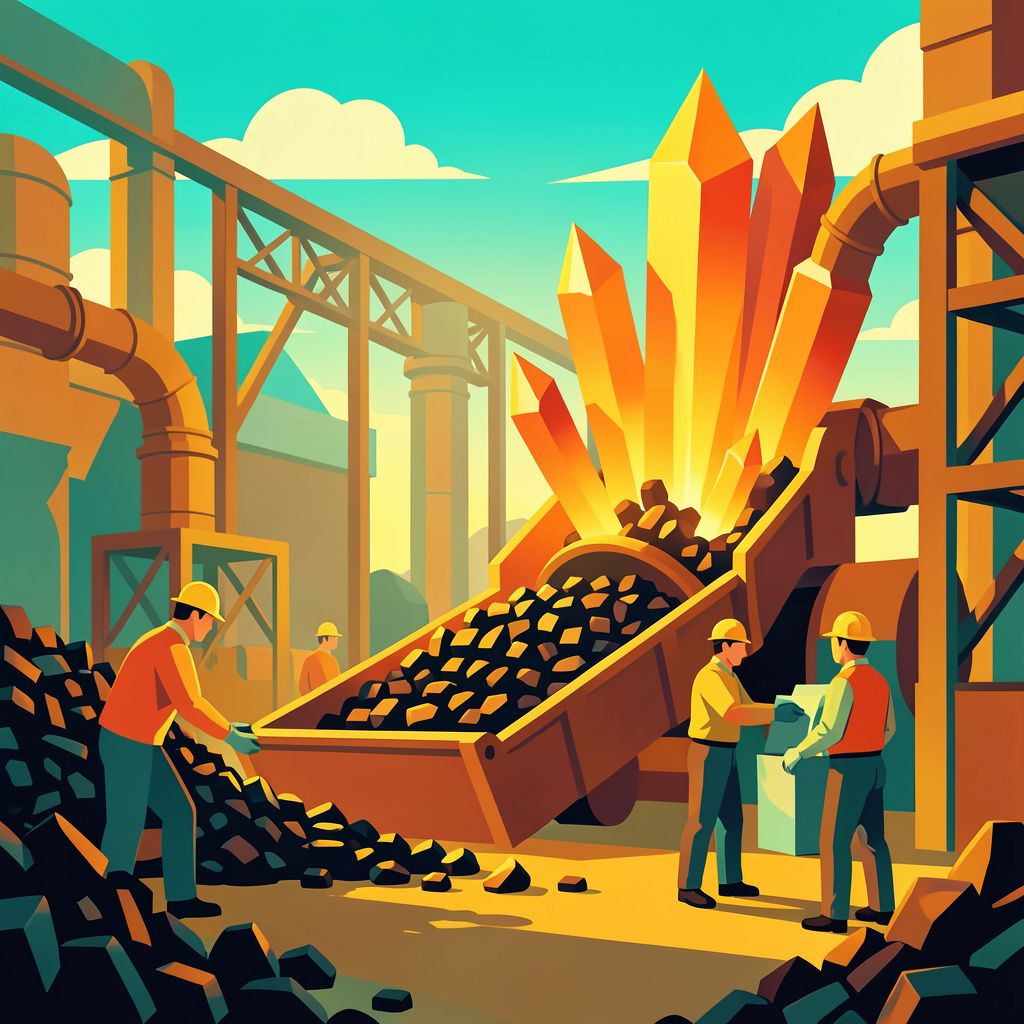
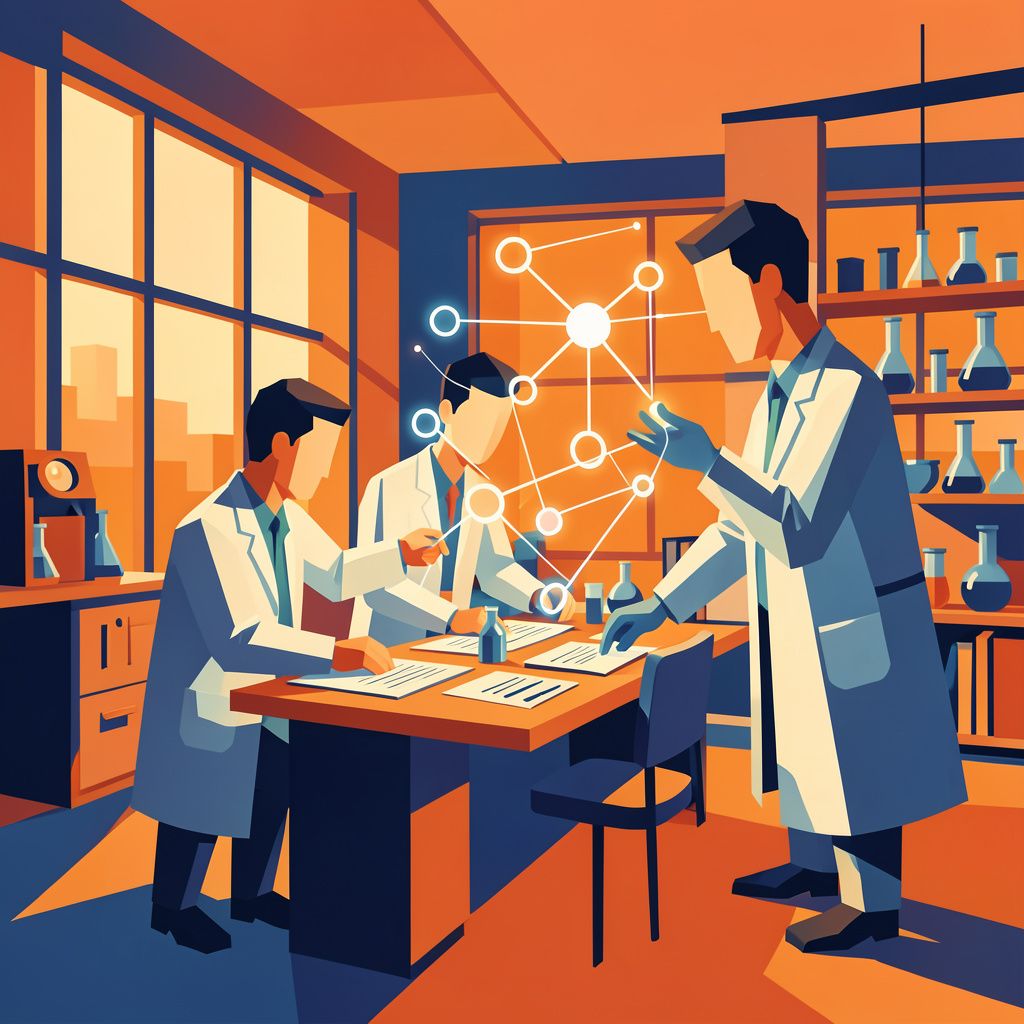
Dutch Startup Raises Capital to Extract Critical Battery Metals from Industrial Waste
IJmuiden, Sunday, 25 October 2026.
With Europe importing 95% of its vanadium, Phoenix Metals secured €4 million to build a pilot facility recovering essential energy-storage materials from 500 metric tons of annual steel waste.



Laatste nieuws in semicon
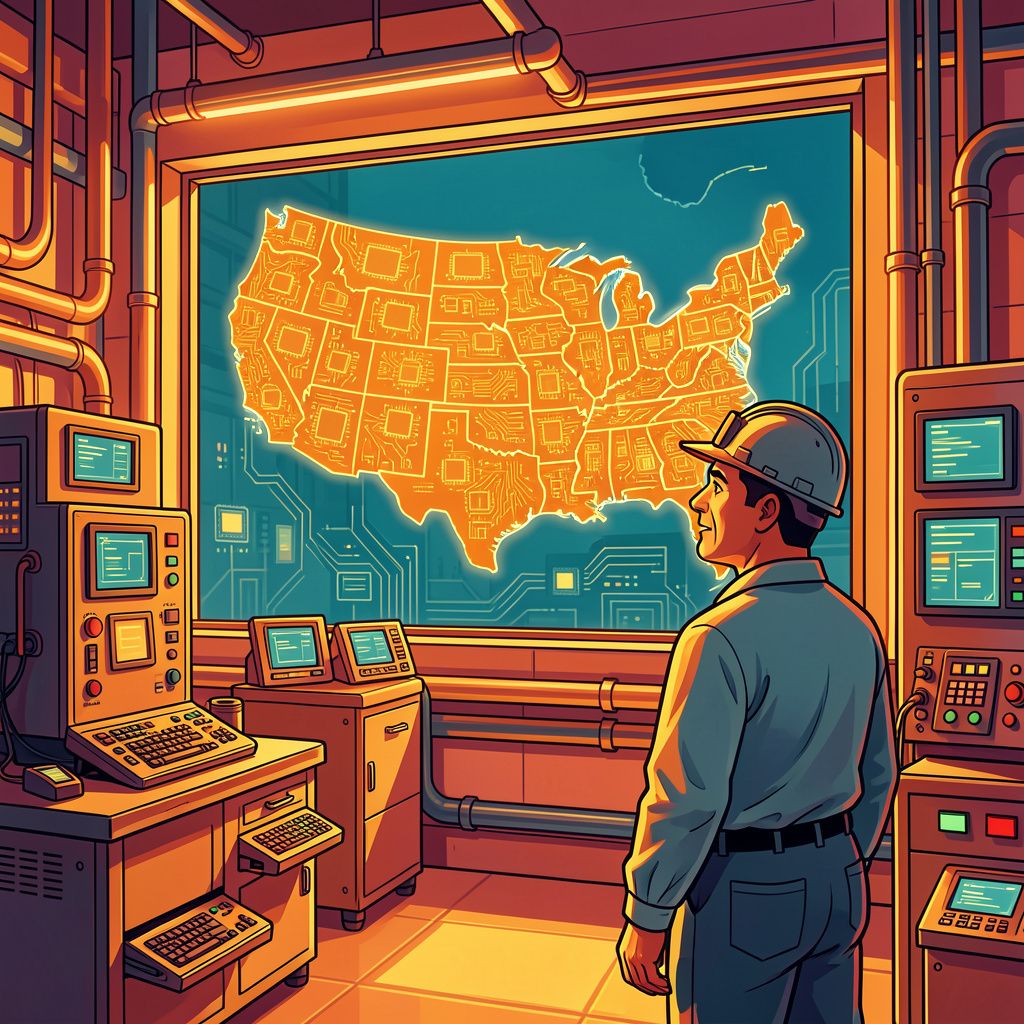
America Declares Helium a Vital Resource as Global Shortages Threaten Tech Manufacturing
Washington, Saturday, 24 October 2026.
After Middle East conflicts trapped a third of global helium supplies, Washington designated the gas as critical to protect microchip manufacturing and shield advanced industries from catastrophic disruptions.

Laatste nieuws in bio

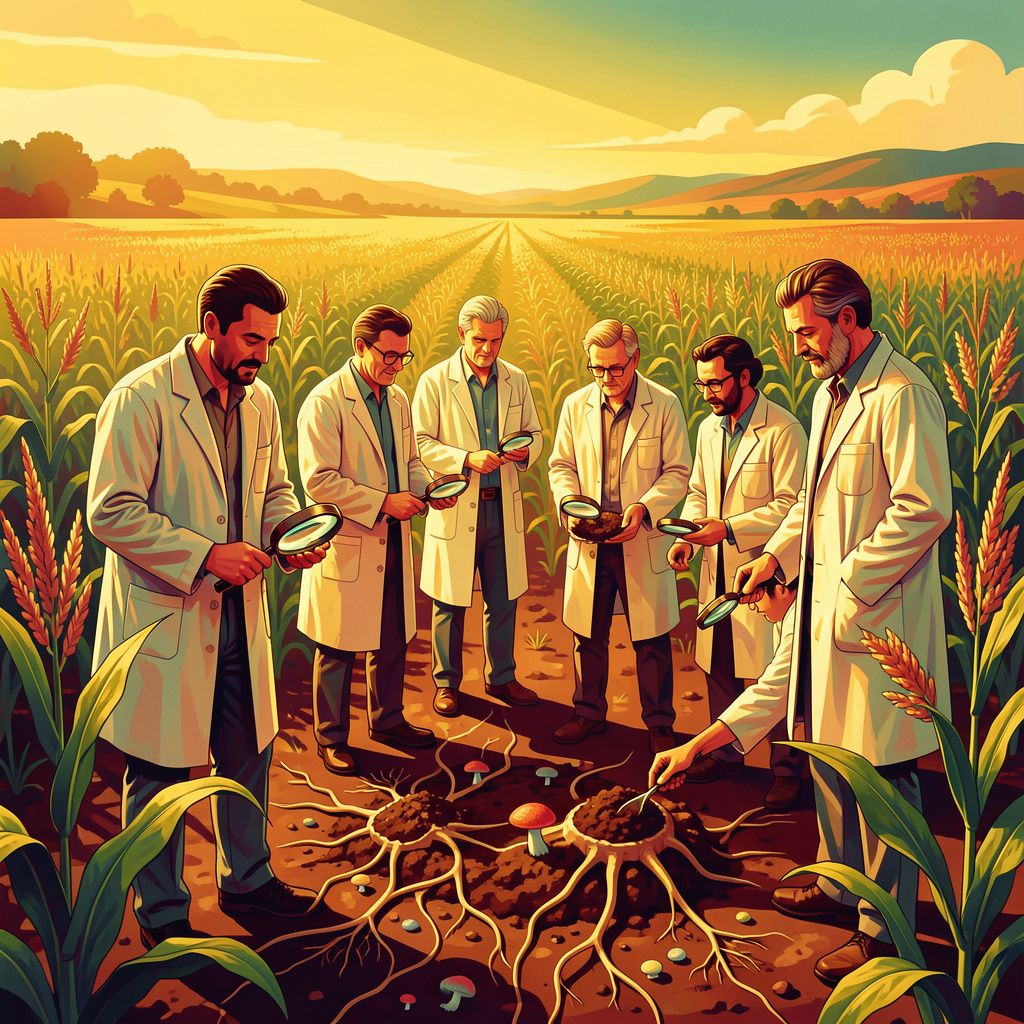
Dutch Farmers Challenge Taboo Around Pesticides and Parkinson's Disease
Amsterdam, Sunday, 25 October 2026.
Pesticide exposure raises Parkinson’s risk by 67%, prompting Dutch farmers to break industry silence, confront significant health hazards, and test biological alternatives despite substantial crop loss.

Laatste nieuws in data

1Password Lets AI Agents Access Your Accounts Without Revealing Your Passwords
Amsterdam, Sunday, 25 October 2026.
1Password launched a platform enabling autonomous AI agents to sign into accounts via autofill after user approval, completing tasks without ever viewing or storing plaintext credentials.