

Cyber Attack Paralyzes Online Deliveries at Netherlands' Largest Supermarket
Zaandam, Saturday, 17 October 2026.
A major cyberattack against parent company Ahold Delhaize forced Albert Heijn to suspend online grocery deliveries, revealing critical vulnerabilities in highly digitized, just-in-time food supply chains.
Logistical Freeze and System Shutdowns Across the Retail Network
The disruptions began on Sunday, October 11, 2026, when parent company Ahold Delhaize detected a critical security issue within its network and proactively took several core IT platforms offline [3][4][5]. The shutdown immediately impacted subsidiary brands Albert Heijn, Etos, and Gall & Gall in the Netherlands, as well as Delhaize in Belgium [4][5]. While physical retail stores remained open with functional checkout lanes [4], the temporary loss of back-end integration compromised electronic shelf labels, resulting in price discrepancies and preventing customers from redeeming personalized promotional offers linked to the Mijn Bonus Box and Air Miles programs [4].
E-Commerce Delays and Infrastructure Impact
By Friday, October 16, 2026, Albert Heijn confirmed that home grocery deliveries would remain fully suspended through Tuesday, October 20, 2026, forcing the cancellation of thousands of existing customer orders [1]. Although physical store restocking resumed multiple times daily [1], online ordering channels, customer service hotlines, and mobile app features remained offline or restricted [1][4]. Security specialists reviewing the breach noted that servers located in the United States, Poland, Moldova, and Turkey were utilized in the incident, likely to conduct initial system scouting or attempt data extraction [8]. However, both Ahold Delhaize and Albert Heijn confirmed there were no indications that customer, employee, or partner data had been compromised [1][3][4].
Digitized Supply Chain Innovations and Vulnerabilities
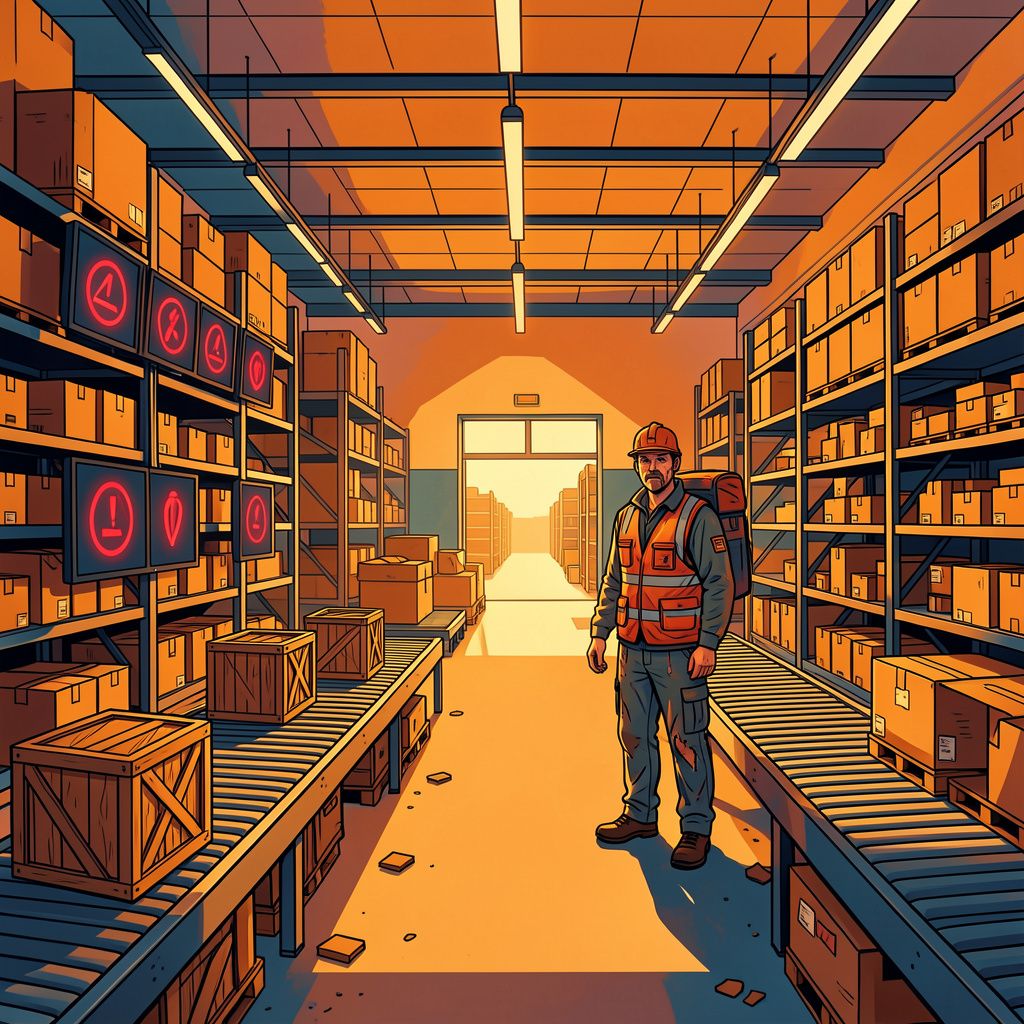
The operational halt underscores both the benefits and vulnerabilities of automated, just-in-time supply chain technology deployed by large grocers [8]. Modern retail inventory management relies on automated distribution networks and digitized logistics software that match real-time store demand with warehouse stock levels [1][4][8]. This ICT innovation allows retail chains to minimize physical storage footprints by holding approximately six days of total stock across stores and distribution facilities combined [8]. While these digital systems drastically reduce food waste, operational costs, and working capital requirements during normal operations [GPT], their reliance on real-time network connectivity creates a single point of vulnerability when systems must be isolated during cyber threats [5][8].
Broader Industrial Threat Landscape
The incident at Albert Heijn occurred alongside separate cyber disruptions in the European food and retail sectors, including a attack in France affecting refrigeration systems running firmware managed by Danfoss, a Danish firm based in Denmark [8], alongside systems from Copeland and Dixell [8]. While the Dutch National Cyber Security Centre (NCSC) confirmed no direct link between the French fridge incidents and the Dutch retail outages [3][8], safety analysts emphasize that industrial software vulnerabilities and tightly coupled just-in-time networks leave critical consumer infrastructure exposed to unexpected operational halts [5][8].
Bronnen
- nos.nl
- www.facebook.com
- live.euronext.com
- www.iamexpat.nl
- ioplus.nl
- www.instagram.com
- www.reddit.com
- www.euronews.com