

European Solar Power Hits Record High Ahead of Major Grid Policy Changes
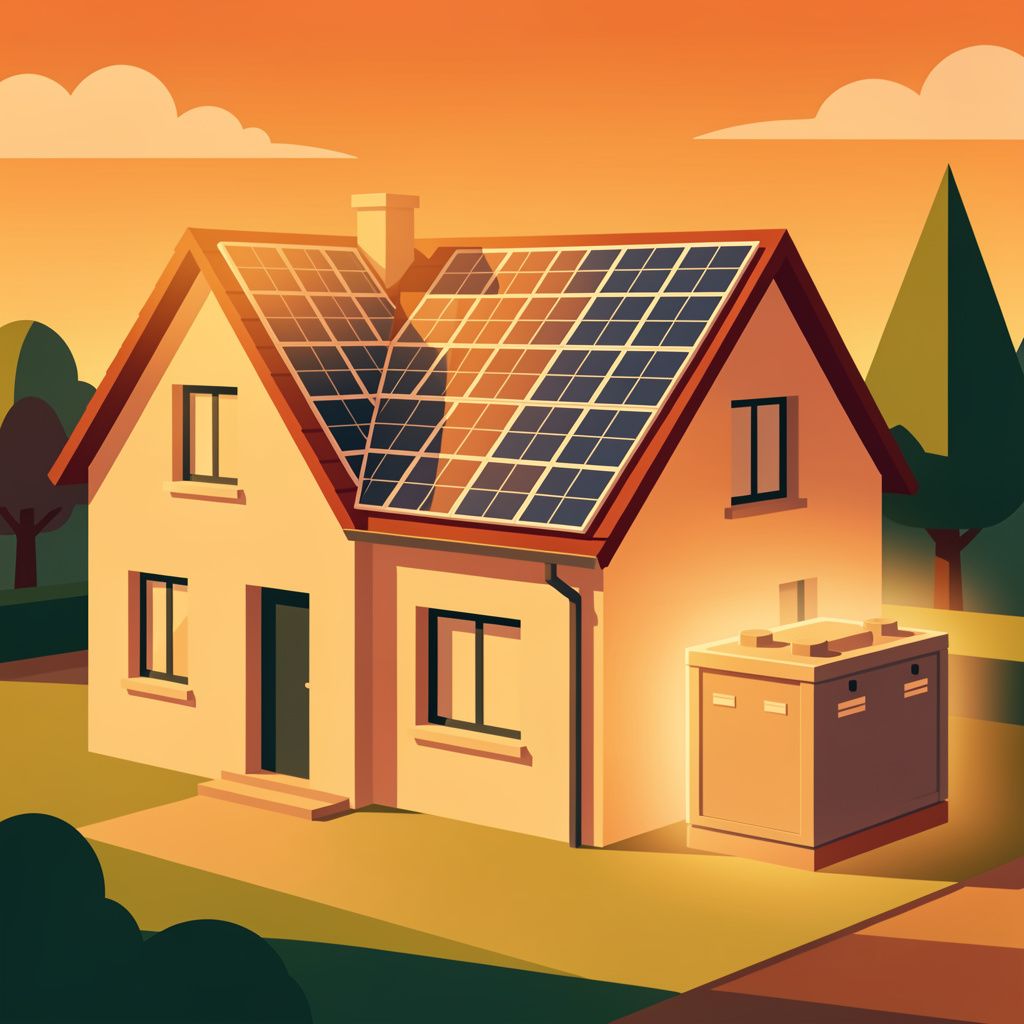
Amsterdam, Sunday, 18 October 2026.
Solar energy now generates over a quarter of Europe’s electricity, but the upcoming end of the Dutch net metering scheme in 2027 shifts profitability toward direct home consumption and smart storage.
The Impending Shift in Dutch Solar Economics
As of October 2026, European solar energy production has reached a record landmark, generating over 25 percent of the continent’s electricity [GPT]. However, structural policy changes in the Netherlands are altering the financial framework for residential producers [1][2]. The long-standing net metering scheme (salderingsregeling), which allows households to offset exported solar electricity against their grid power consumption on an annual basis, is set to terminate abruptly on January 1, 2027, without a transition phase [2][4].
The Impending Shift in Dutch Solar Economics
Under the current mechanism, generated electricity fed into the grid retains the full retail value of standard electricity at approximately €0.26 per kilowatt-hour (kWh) [2]. After December 31, 2026, exported power will no longer offset consumption [2][7]. Instead, energy suppliers will pay a direct feed-in tariff (terugleververgoeding) while deducting individual feed-in fees (terugleverkosten) [2][6]. Between 2027 and 2030, energy suppliers are legally obligated to set the gross feed-in tariff at a minimum of 50 percent of the raw supply rate excluding taxes [2][6]. Expert advisory organization Milieu Centraal projects that net compensation after provider deductions could drop to as little as €0.0125 per kWh [6].
Financial Returns and Self-Consumption Metrics
The financial impact of this regulatory overhaul is significant [2][4]. Under net metering, exporting 2,500 kWh of electricity yields an annual benefit of 650 euros [2]. Post-2027, if net export compensation falls to €0.02 per kWh after fees, that same yield drops to 50 euros [2]. Consequently, consumer advocacy group Vereniging Eigen Huis emphasizes that residential solar viability must transition from total volume generation to active energy management and synchronized self-consumption [4].
Financial Returns and Self-Consumption Metrics
Without automated scheduling, standard Dutch households directly consume approximately 30 to 33 percent of their self-generated solar power [2][6]. Modeling by Milieu Centraal demonstrates that from 2027 onward, an investment of €3,200 for 8 solar panels will generate roughly €190 in annual savings at a 30 percent self-consumption rate, while a 10-panel system costing €3,800 will yield approximately €260 annually [6]. For homeowners utilizing do-it-yourself installation kits costing €1,600 (under the 0 percent VAT policy), payback periods range between 4 years at standard 33 percent self-consumption and 2 years if direct utilization is elevated to 67 percent [2].
Innovations in Localized Storage and Smart Optimization
To mitigate lower grid export returns, technology providers are rolling out localized storage and smart automation solutions [2][3][5]. Battery manufacturer Anker SOLIX Nederland has highlighted local municipal subsidy programs that assist consumers with the initial capital outlay for residential battery systems [3]. Energy consultancy SamenStromen notes that post-2027 home batteries ranging from 2.5 kWh to 5 kWh will pivot from grid trading to daily self-consumption buffer storage, saving over €0.20 per stored kWh consumed during evening hours and achieving full payback within 5 to 8 years [2][7].
Innovations in Localized Storage and Smart Optimization
Alternative heat-storage innovations are also entering the consumer market as cost-effective substitutes for physical batteries [2]. Solar-powered hot water controllers, such as the Myenergi Eddi system, allow households to divert excess solar generation into 12 kWh of thermal storage at a small fraction of the cost of a 10 kWh battery system, which often requires hybrid inverters costing between €4,000 and €6,700 [2]. Furthermore, dynamic load management tools—including Myenergi Zappi EV chargers, SMA and SolarEdge smart inverters, and digital tools like the ThuisSaldo Plus application featuring a net-metering simulator—enable consumers to automate energy consumption during peak production hours [2][5].
Bronnen
- www.nu.nl
- www.stralendgroen.nl
- www.instagram.com
- nl.linkedin.com
- www.instagram.com
- www.gaslicht.com
- samenstromen.nl