

Dutch Air-Bubble Technology Expands to American Waterways to Stop Plastic Pollution
Amsterdam, Saturday, 10 October 2026.
Boasting an 86 percent success rate and over one million plastic items captured in Amsterdam, innovative Dutch bubble-curtain technology is now expanding to American rivers to combat plastic waste.
A Proven European Cleantech Mechanism Goes Global
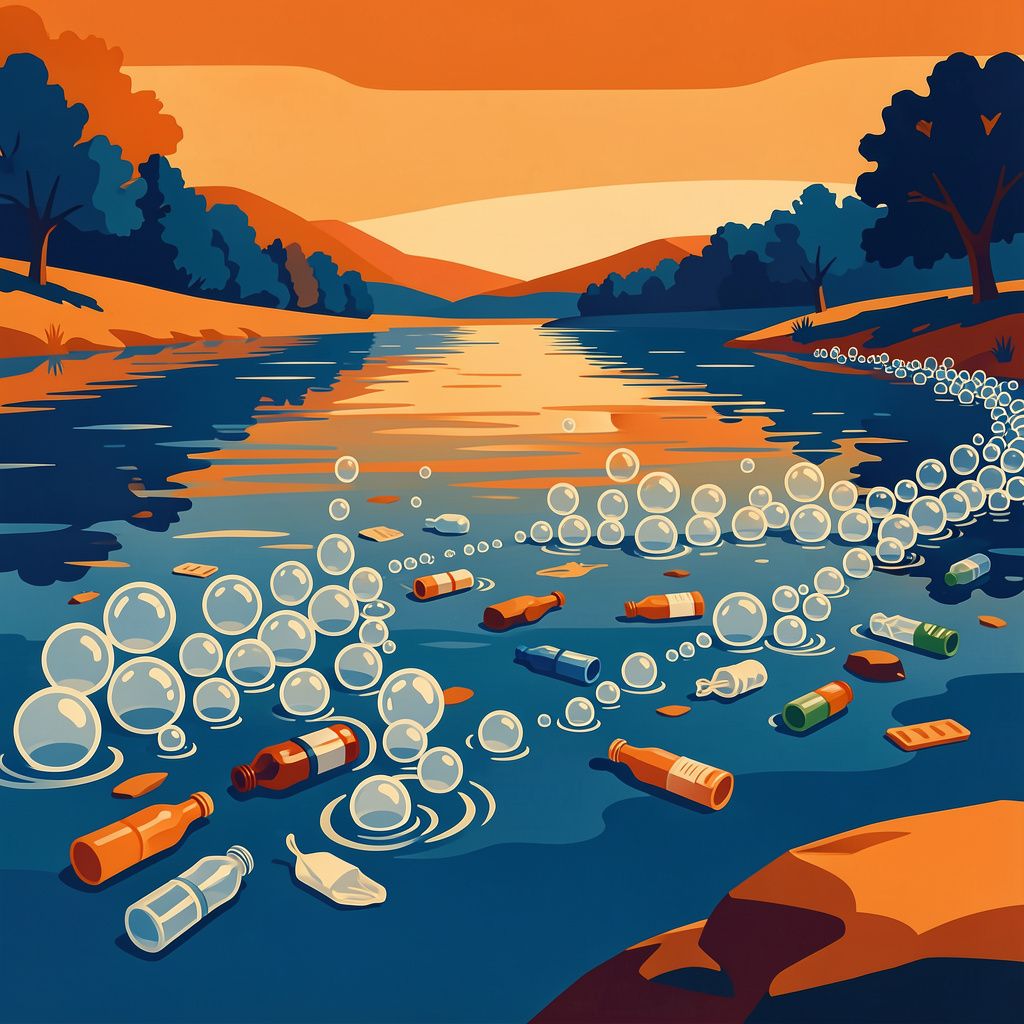
Founded in 2017, the Netherlands-based cleantech venture The Great Bubble Barrier—co-founded by Chief Technological Officer Philip Ehrhorn—has pioneered a zero-impact water remediation system designed to intercept floating plastic debris before it enters ocean ecosystems [1][2]. The core technology functions by laying a perforated hose diagonally along a riverbed or canal floor [1][2]. Powered by an electric compressor, the hose pumps ambient air into the water, creating a dense curtain of bubbles that pushes submerged and floating plastic to the surface [1][2]. The diagonal placement utilizes natural water currents to guide waste directly to a bank-side catchment system [1][2].
Quantifiable Track Record and Strategic Deployments
Since its operational launch in 2019, the Amsterdam installation has removed approximately 1 metric ton of inorganic debris per year, officially surpassing 1,000,000 individual plastic items captured by August 2025 [2]. The system’s effectiveness prompted Amsterdam city authorities and the local water board to make the Westerdok barrier a permanent fixture in October 2024 [2]. The company has since scaled its footprint across Europe, deploying systems in Katwijk, Netherlands in 2022, Vila do Conde, Portugal in 2023, and Harlingen, Netherlands in 2024 to protect sensitive coastal areas like the Wadden Sea [1][2].
Targeting the Great Lakes: The Lansing Grand River Project
Building on its European track record, the technology is preparing for its first implementation in the United States within the Grand River in Lansing, Michigan [1]. The Great Lakes system receives an estimated 22 million pounds (approximately 9.98 million kg) of plastic debris annually, with Lake Michigan absorbing nearly half of that total volume [1]. Intercepting waste in tributary rivers like the Grand River is critical to preventing downstream environmental degradation [1][3].
Navigating Operational and Community Impacts
Civil and environmental engineering experts, including Michigan State University researchers and University of Portland civil engineer Jordy Wolfand, emphasize that bubble barriers offer a non-disruptive, localized catchment mechanism [1]. Local advocates, such as Mike Stout of the Michigan Waterway Stewards, note that capturing riverine plastic improves fish habitat, enhances community aesthetics, and supports regional ecotourism [1]. City of Lansing Parks and Recreation Director Brett Kaschinske likened the installation to an automated urban disposal system, stressing the practical maintenance benefits for municipal riverways [1].